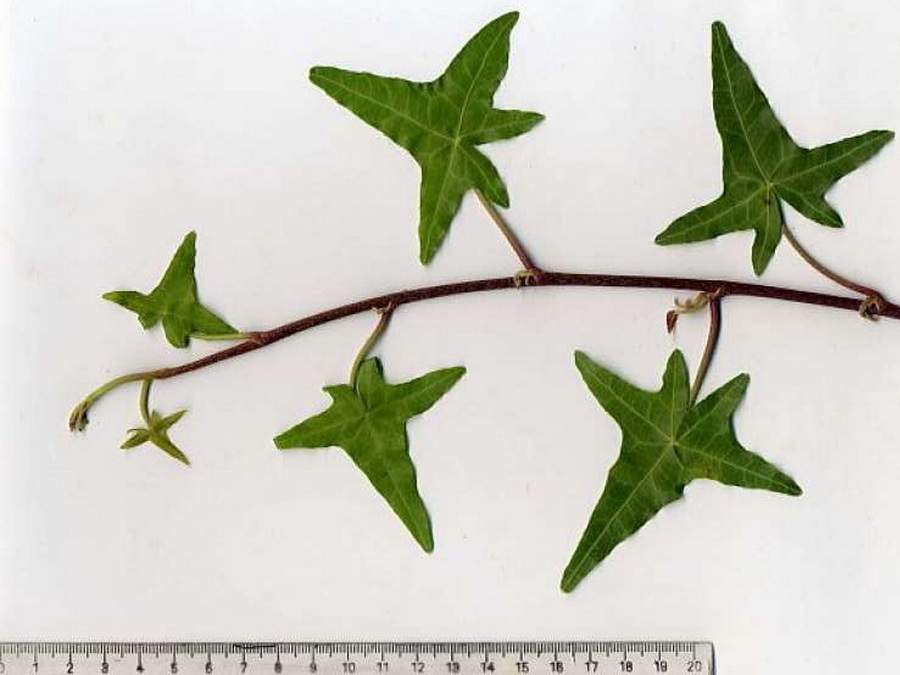
Hedera helix ‘Star’ – Ornemental Ivy
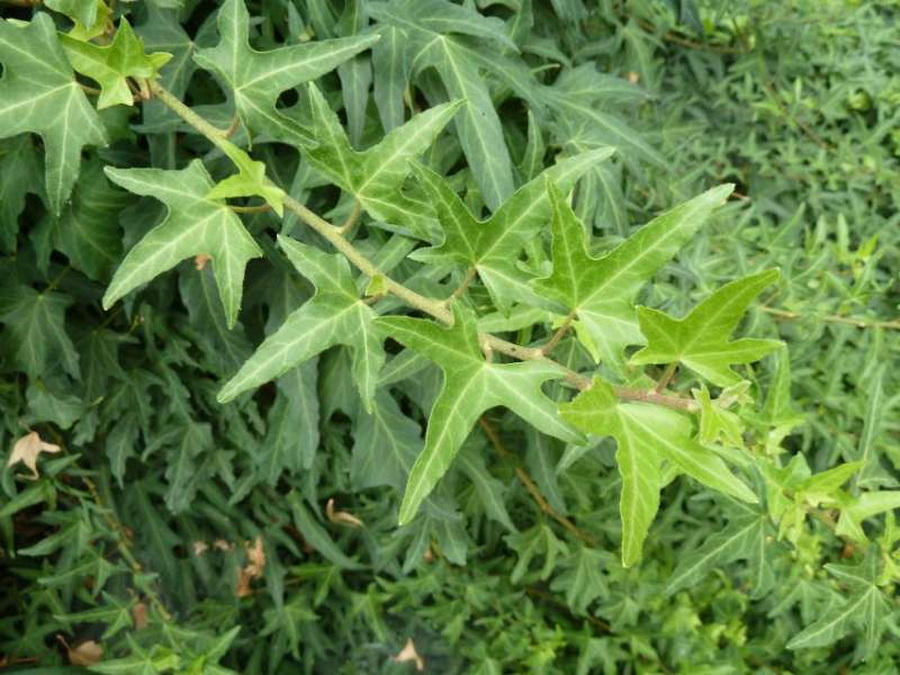
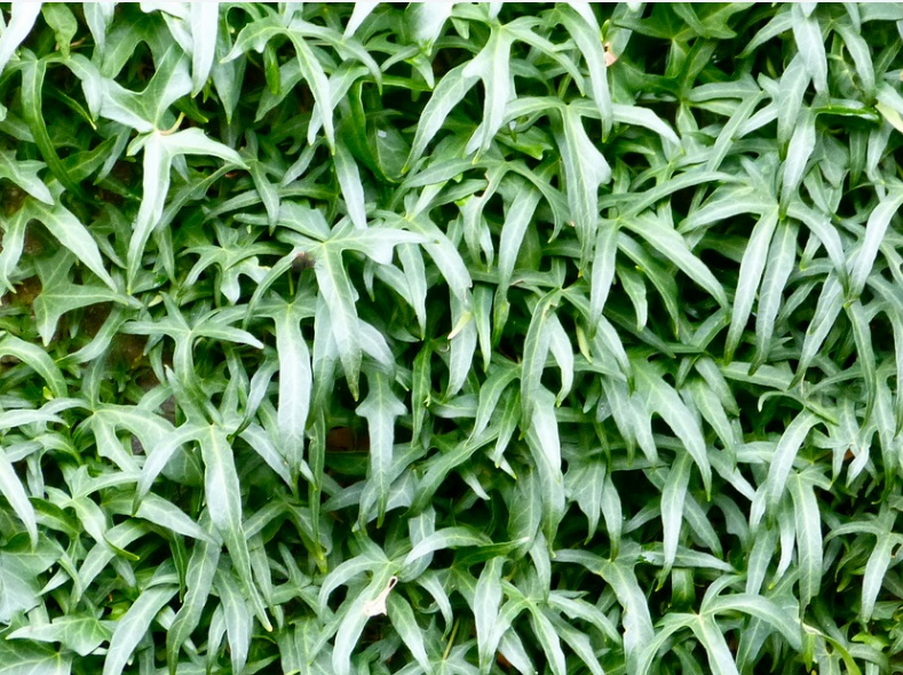
Vigorous, branched plant, forming large masses of light green foliage.

Sagittate leaf composed of 5 lobes, the central lobe being very long, the two lateral lobes pointing forward to give the appearance of a fork to the leaf.

Powerful climber or ground cover, annual shoots of more than 1 meter quickly covering a given surface.

From £7.90

Category

Description

Ornemental ivy  – Hedera helix ‘Star’

In a nutshell

Ornamental ivy, Hedera helix ‘Star’, is a vigorous plant with branched stems, forming large masses of light to dark green foliage.

The sagittate leaf is composed of 5 lobes, the central lobe being very long, the two lateral lobes point forward to give the leaf the appearance of a fork.

It can be used as a climber or as a powerful ground cover. It produces annual shoots of more than 1 meter and quickly covers a given surface.

History

This cultivar is a mutation of ‘Pittsburgh’. It has been known in the United States since the 1940s. It is believed to have been introduced by Louis Hahn Nurseries in Pittsburgh, Pennsylvania.

Technical leaflet - Hedera helix 'Star'

Botanical information

  • Family: Araliaceae
  • Genus: Hedera
  • Species: helix
  • Cultivar: ‘Star’
  • Pierot classification: ivy with bird’s foot leaves
  • Foliage stage: juvenile
  • Origin of the species: Europe, from Spain to Norway, but little on the Atlantic coast.
  • Origin of the cultivar: ‘Pittsburgh’ sport, introduced by Louis Hahn Nurseries, Pittsburgh, Pennsylvania, USA

Description of Hedera helix 'Star'

  • Shape: stocky, spreading
  • Number of lobes: 5 lobes in general
  • Leaf length: 8 cm
  • Leaf width: 6 cm
  • Leaf color: light green to dark green
  • Vein color: light green
  • Stem and petiole color: purple-green
  • Hairs: stellar, 3 to 5 branches

Tips for planting, growing and maintaining Hedera helix 'Star'

  • Exposure: shade, partial shade, sun
  • Hardiness: -15°C
  • Soil moisture: fresh soil
  • Soil pH: neutral or calcareous
  • Soil type: all
  • Soil richness: ordinary or humus-rich
  • Use: ground cover, climbing, pots, planters, topiary, houseplant
  • Development: vigorous, fast
  • Size : once a year
  • Pests: very rare (red spiders, scale insects)
  • Diseases: very rare (spots on the leaves)

A page from my little ivy encyclopedia

The question of circumstance…

What is a sagittate leaf?

The vocabulary used by botanists to describe plants is very rich. For leaves alone, you can come across dozens of specific terms.

The word ‘sagittate’ comes from the Latin sagitta which means arrow. A sagittate leaf is a leaf whose blade is shaped like an arrow. Similarly, a leaf with a sagittate base is a leaf whose base is shaped like an arrow.

To discover all the vocabulary describing leaves.

Ivy in literature

“She leaned against the old ivy-covered wall, her thoughts lost in the twilight. 

Pío Baroja, The Tree of Science

Additional information

Weight N/A
Stock 9cm and 1L pots

11 to 20 pots

Stock containers of 2 or 4L

6 to 10 containers

Stock big articles

3 to 5 big articles

Shape

Quite branched, Spread out, Stocky

Appearance of foliage

Green

Possible uses

Climbing, Ground cover, Hanging plant, Houseplant, Pots or planters, Topiary

Exposure

Partial shade, Shade, Sun

Hardiness

Good hardiness

Ease of cultivation

Easy

Development speed

Fast

Development vigor

Vigorous

Classification according to the Pierot system

Bird's foot, From 'Pittsburgh'

Award

No known award

Reviews

There are no reviews yet.

Only logged in customers who have purchased this product may leave a review.

To know everything...

Other interesting ivies for you