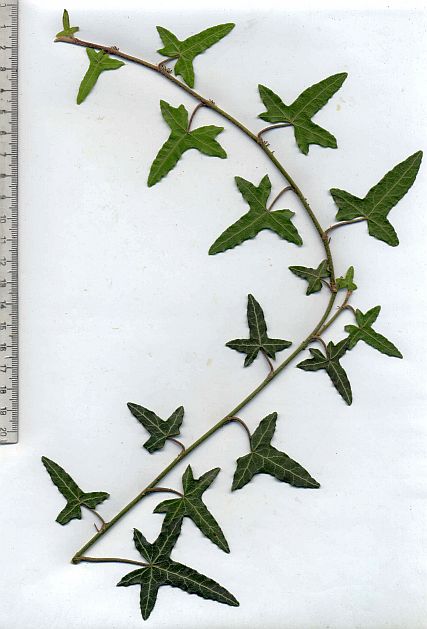
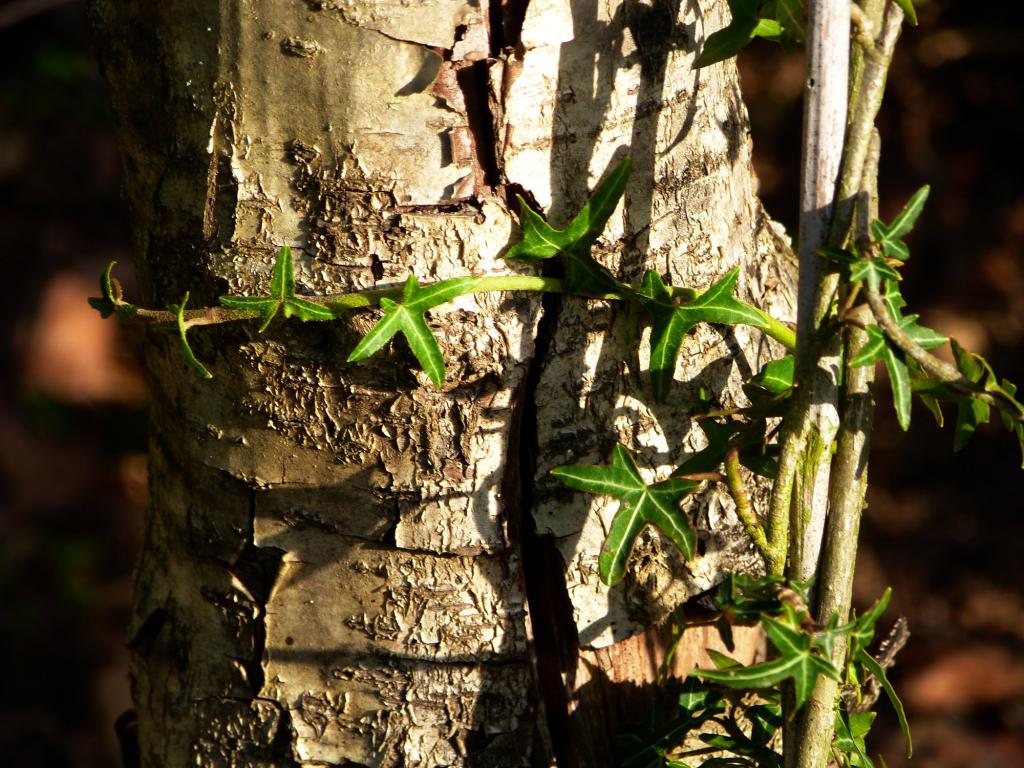
Hedera helix ‘Heron’ – Ornemental Ivy
Description

Additional information
| Weight | N/A |
|---|---|
| Stock 9cm and 1L pots | 0 pot |
| Stock containers of 2 or 4L | 51 to 100 containers |
| Stock big articles | 0 big article |
| Shape | Little branched, Spread out |
| Appearance of foliage | Atypical, Green |
| Possible uses | Climbing, Pots or planters |
| Exposure | Partial shade, Shade, Sun |
| Hardiness | Very good hardiness |
| Ease of cultivation | Easy |
| Development speed | Fast |
| Development vigor | Vigorous |
| Classification according to the Pierot system | Bird's foot, Oddity |
| Award | No known award |
Only logged in customers who have purchased this product may leave a review.
Related products
-
- Ivy
Hedera helix ‘Bill Archer’ mutation – Ornemental Ivy
- From £7.90
- Select options This product has multiple variants. The options may be chosen on the product page
-
- Ivy
Hedera helix ‘Sagittaefolia Variegata’ – Ivy
- From £7.90
- Select options This product has multiple variants. The options may be chosen on the product page
-
- Ivy
Hedera helix ‘Peter’ – Ornemental ivy
- From £7.90
- Select options This product has multiple variants. The options may be chosen on the product page
-
- Ivy
Hedera ‘Algerian Bellecour’ ®
- From £6.90
- Select options This product has multiple variants. The options may be chosen on the product page


Reviews
There are no reviews yet.